

Web & Ecommerce Architecture
This category covers the structural design of web-based business systems, where interface, content, and commerce are aligned for long-term performance rather than short-term visuals.
Strong visuals can’t compensate for poorly structured commerce.
Before themes, apps, or layouts are selected, products must be clearly defined, categorized, and structured into a system that supports both customer experience and operational reality.
This work focuses on designing ecommerce environments where product data, collections, navigation, and conversion flows operate as a single, scalable system — from initial setup to long-term growth.

Jade & Clay
Direct-to-consumer ecommerce system for a growing lifestyle brand
Case Summary
Jade & Clay began as a product-focused brand with expanding SKUs and seasonal collections.
Before design execution, the core challenge was not visual identity, but organizing products, categories, and shopping flows in a way that could scale without breaking operational clarity.
Systemic Focus
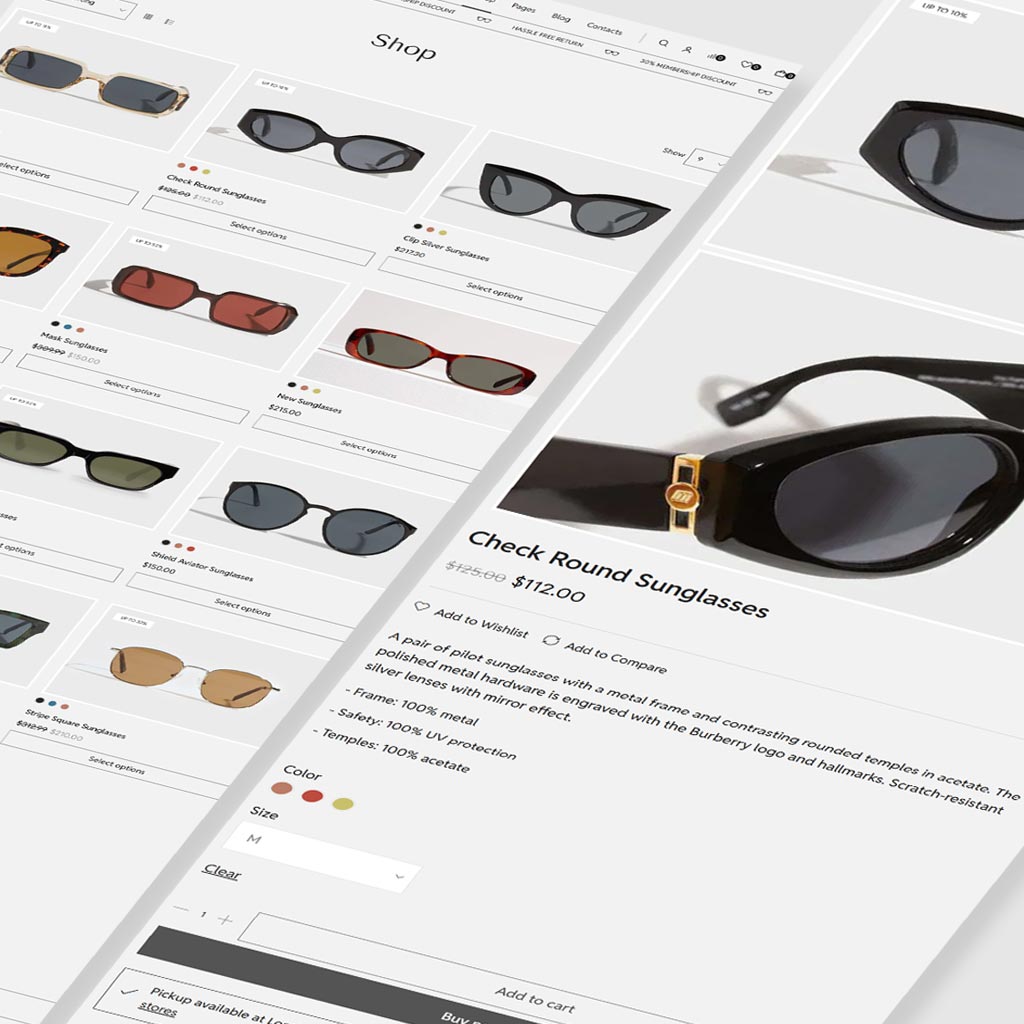
The work began by structuring products outside of Shopify — defining categories, variants, and collection logic before any theme or layout decisions were made.
The focus was on designing the store as an operational system rather than a static storefront.
What Was Built

Why This Structure Matters
As the product line expanded, small structural decisions — such as how variants were grouped, how collections were defined, and how products were entered — would have compounded into long-term operational friction.
By defining the system before design execution, the store avoided common issues such as duplicated products, inconsistent collections, and redesign-driven restructuring later in growth.
Outcome
The resulting store allowed the brand to manage products, content, and inventory with consistency, while supporting ongoing iteration without structural rework.
Design execution fails when services and content are not clearly structured.
Before layout or visual identity is applied, service offerings, content categories, and information hierarchy must be defined to support clarity, navigation, and long-term maintainability.
This work focuses on turning unstructured services and content into coherent systems — where pages, categories, and narratives are logically connected and easy to manage over time.
Culture Design Studios
Content-driven service architecture for a design-led studio
Case Summary
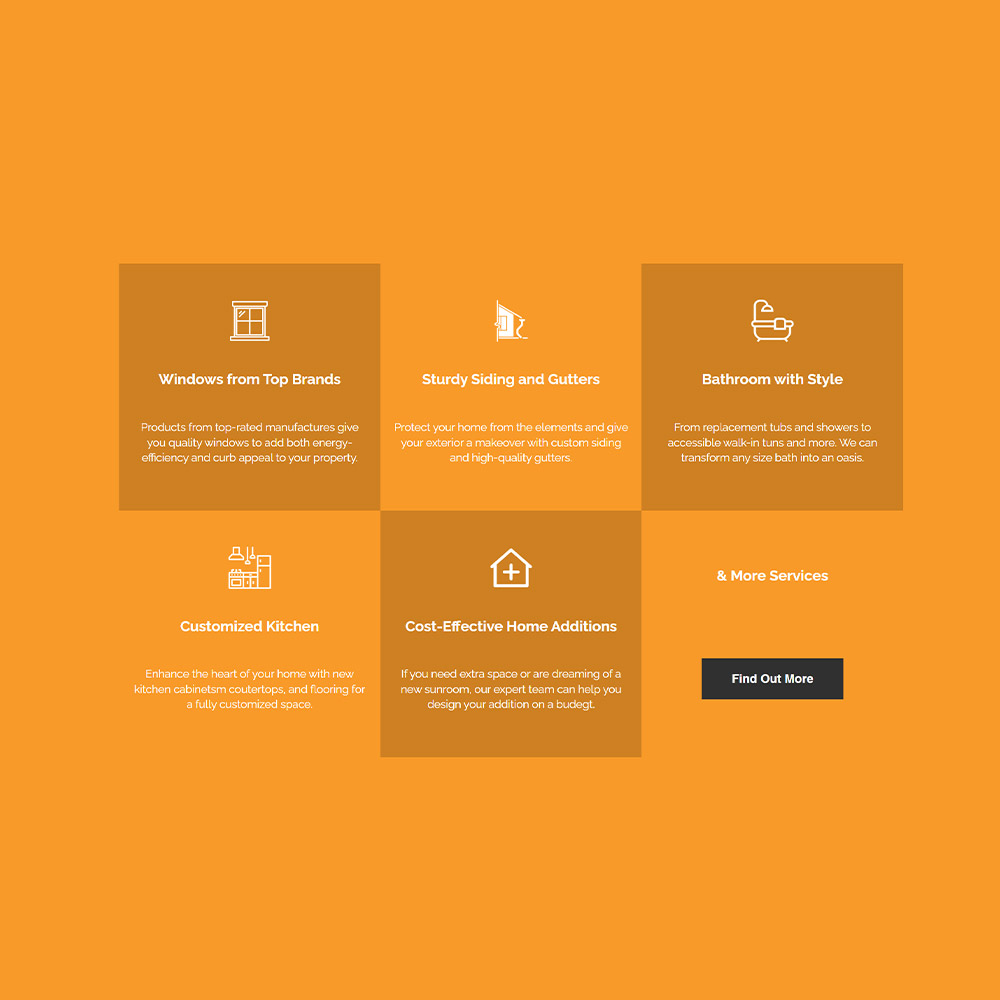
Culture Design Studios offered multiple services, but their structure was not clearly defined for digital presentation.
Before visual design, the primary challenge was clarifying service categories, relationships, and how users should understand the studio’s capabilities.
Systemic Focus
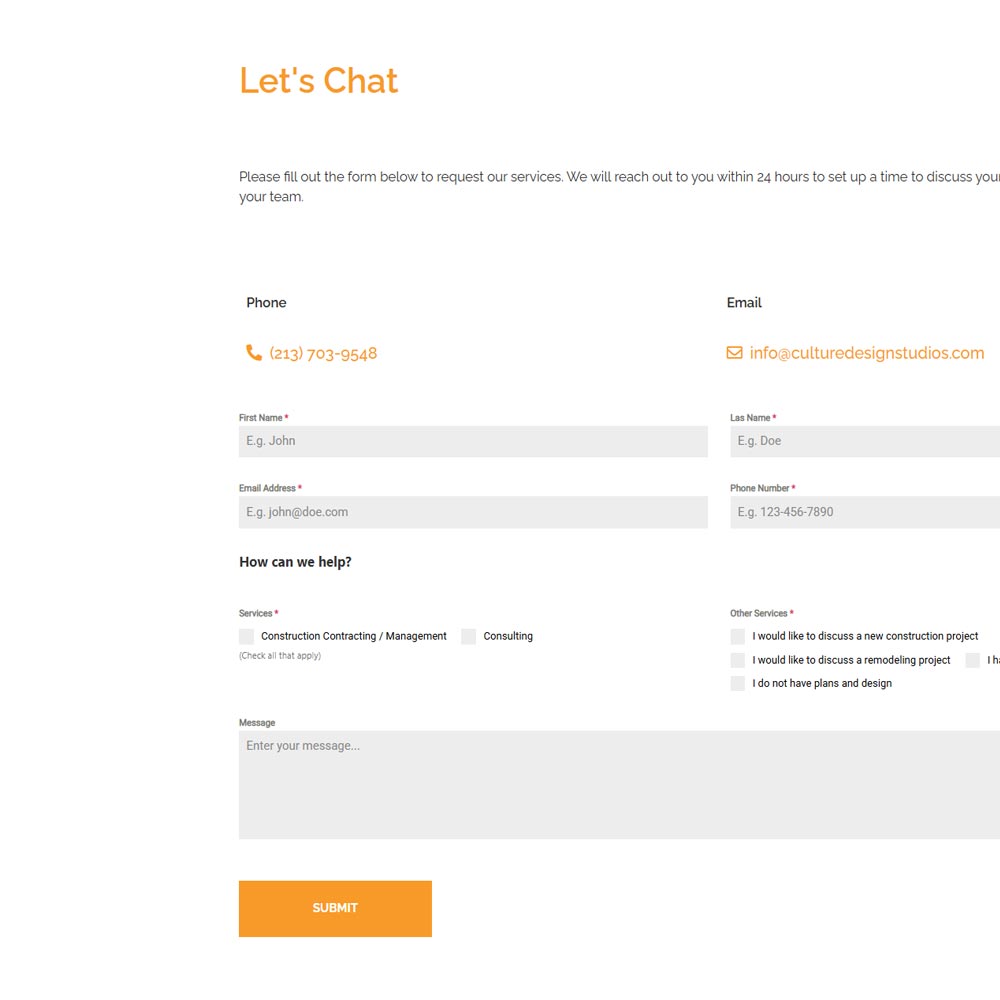
The project began by structuring services and content into a clear information architecture — defining what the studio offers, how services relate, and how users move through that information.
What Was Built

Why This Structure Matters
Without a clearly defined service structure, visual design alone would have increased ambiguity rather than clarity.
The goal was not to make services look appealing, but to make them understandable — both for users and for the business itself.
By structuring services first, the website could scale as offerings evolved without requiring narrative or layout rework.
Outcome
The website became a clear representation of the studio’s offerings, allowing visitors to quickly understand scope, focus, and value — without relying on explanation-heavy content.
Search visibility and performance are not achieved through plugins or surface-level optimizations alone.
They are the result of well-structured content, clean information hierarchy, predictable navigation, and performance-conscious system design.
This work focuses on building architectures where SEO, speed, and performance are embedded into the foundation — whether for commerce-driven platforms or content-heavy websites.
Jack’s Candy
Scalable ecommerce and SEO architecture for a large product catalog
Case Summary
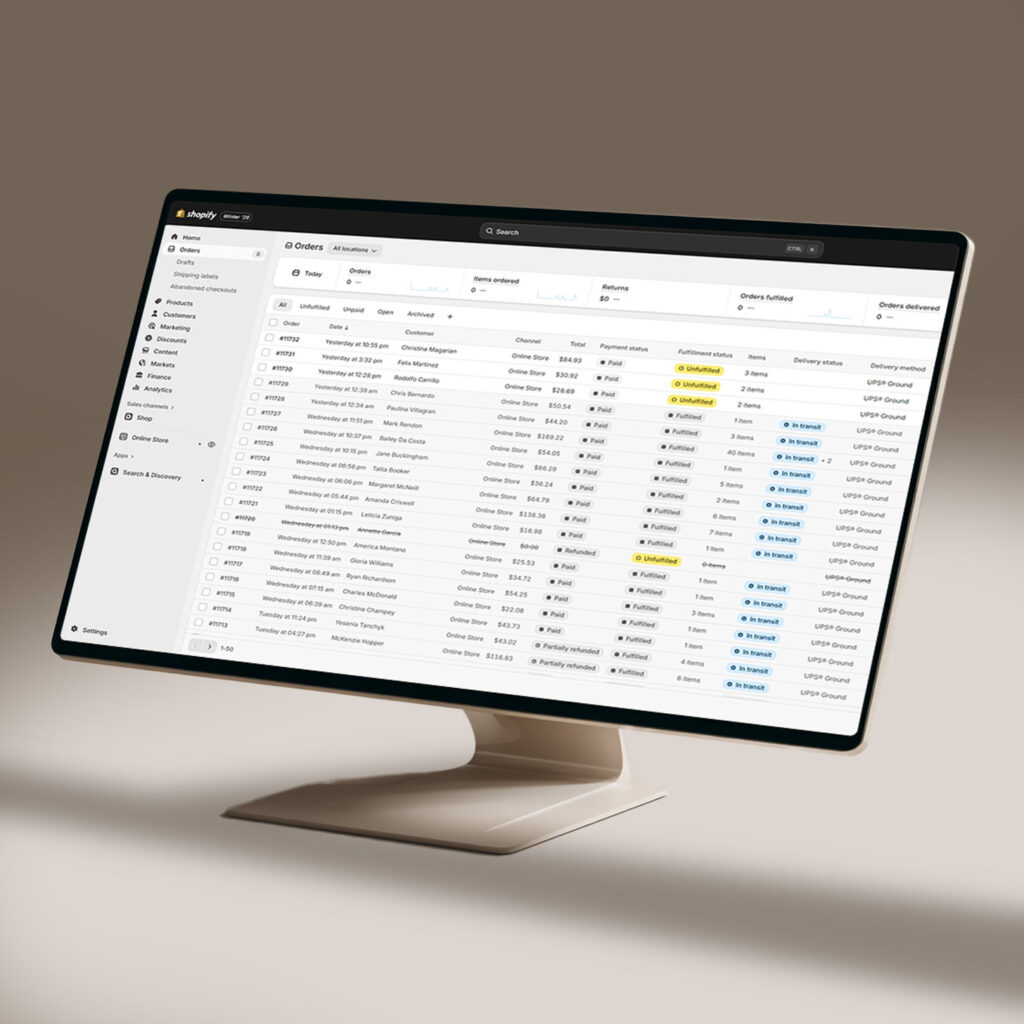
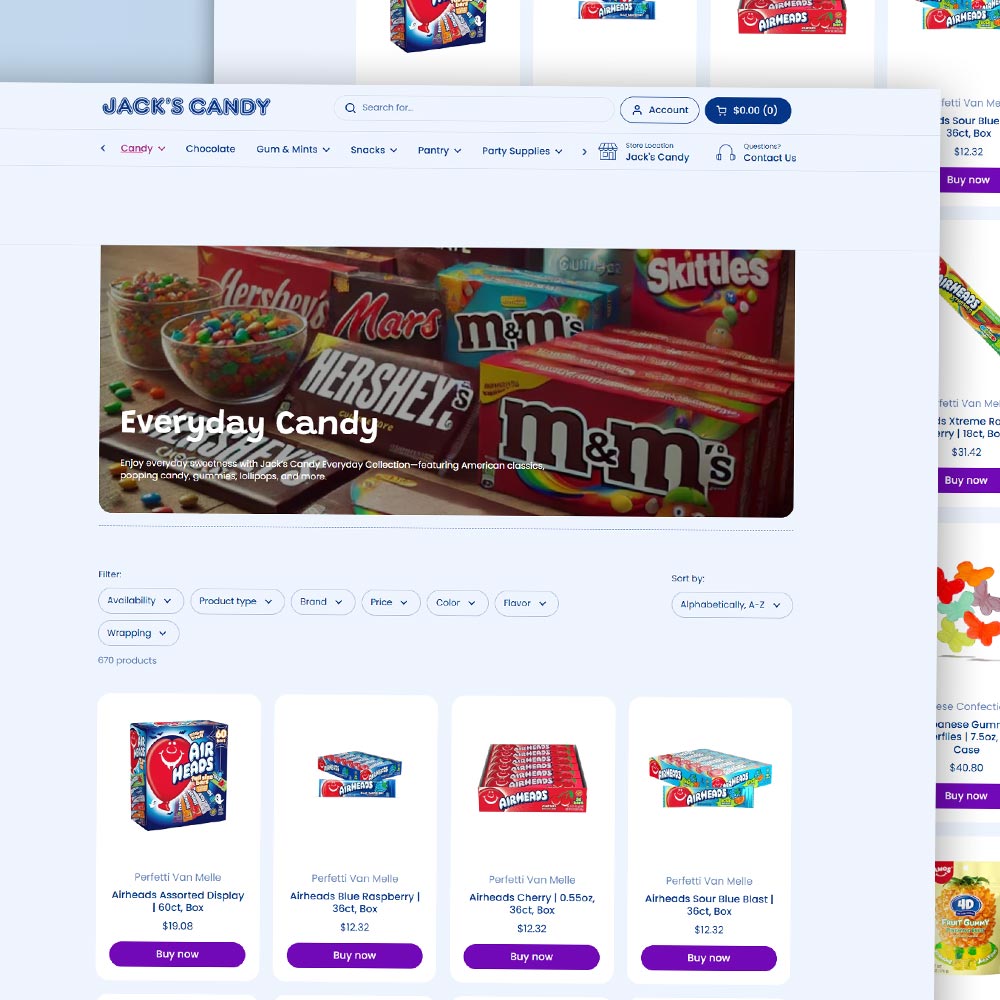
Jack’s Candy operates a large-scale catalog with both retail and wholesale considerations.
The challenge was not traffic generation alone, but maintaining performance, structure, and search visibility as the catalog continued to grow.
Systemic Focus
SEO and performance were addressed at the structural level — through catalog organization, page hierarchy, and platform-aware optimization — rather than post-launch fixes.
What Was Built

Why This Structure Matters
In large catalogs, performance and SEO issues are rarely caused by visuals — they emerge from structural decisions made early in product and category organization.
Addressing these factors at the architectural level prevented the need for retroactive optimization as inventory volume increased.
Outcome
The resulting system supported both search visibility and operational efficiency, enabling the business to grow its catalog without sacrificing speed or structure.
ENGINEER YOUR GROWTH UPON A SOLID FOUNDATION.
If your digital platform feels fragmented, slow, or difficult to manage, the issue isn’t the design—it’s the architecture. Aesthetics attract attention, but only a well-structured system converts that attention into sustainable revenue.
Let’s define the narrative, logic, and infrastructure of your digital engine before you commit to the next campaign.