

Strategic Narrative & Information Architecture
Brands don’t fail because they lack visuals. They fail because their message, structure, and intent aren’t aligned.
I design narrative systems that engineer what to say, why it matters, and how it scales — before a single visual is produced.
Strong execution can’t compensate for unclear direction.
Before visuals, platforms, or campaigns are considered, businesses need a clear narrative framework that defines what matters, what comes first, and what decisions need to be supported.
This work focuses on structuring brand and business narratives that help stakeholders, investors, regulators, and partners quickly understand the value, logic, and intent behind an idea — without confusion or over-explanation.

Aloera Drinks
Brand and business narrative system for a beverage startup, from positioning to investor-ready documentation.
Case Summary
Aloera is a new aloe vera beverage brand developed from the ground up — from brand positioning and narrative logic to a full business plan designed for investors, partners, and operational execution.
This project focused on defining what the business is, why it exists, and how it should scale before visual or market execution began.
Scope of Work
Narrative Focus
Instead of starting with packaging or marketing visuals, the work began by structuring the business logic and story behind the product — clarifying the problem, the opportunity, and the decision-making framework needed to support growth.
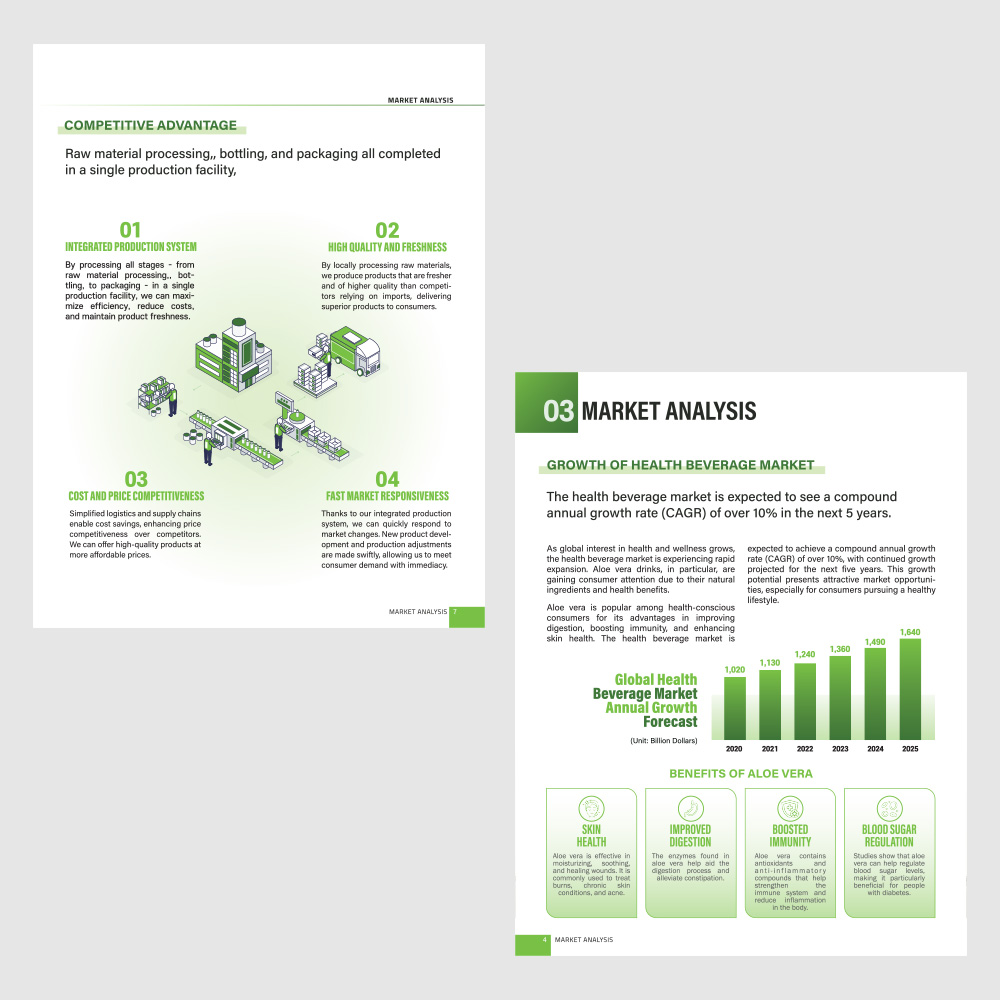
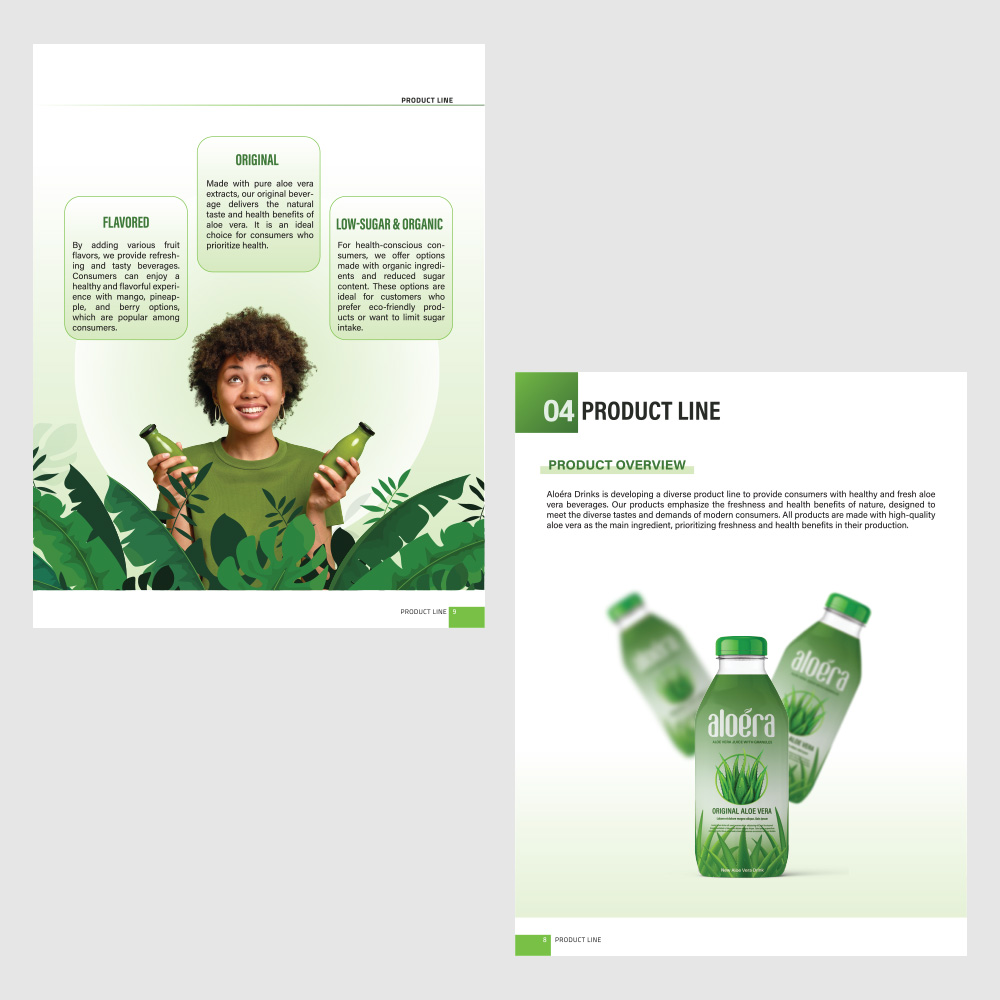
The resulting materials were designed to communicate clearly with:
Outcome
A cohesive brand and business narrative that aligned strategy, design, and documentation — enabling Aloera to move forward with clarity across product development, partnerships, and funding conversations.
Strong brands don’t just say the right things —
they say them in the right order, at the right moment, to the right audience.
This section focuses on designing content architecture and narrative flow
that translate business logic into clear, navigable communication systems.
From websites and service structures to pitch decks and product narratives,
the goal is the same:
to remove confusion, guide attention, and support decision-making —
without overloading users with information.
Navigator Elite Transportation
Strategic Narrative & Information Architecture for a Logistics Service Business
Case Summary
Navigator Elite Transportation is a logistics and transportation service provider offering multiple freight solutions across local and regional markets.
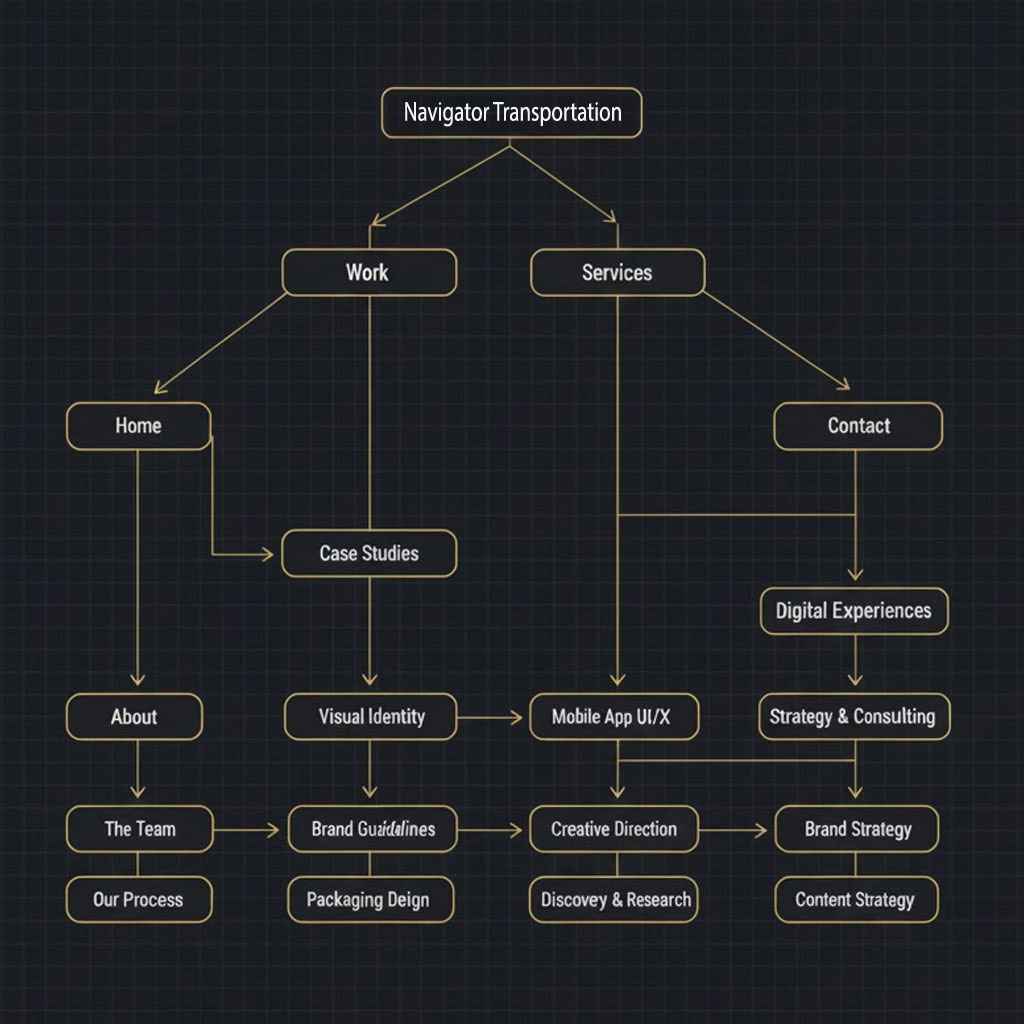
The project focused on clarifying how the company’s services should be understood and navigated, rather than redesigning visual elements.
Scope of Work
Narrative Focus
The primary challenge was structural clarity.
Although multiple transportation services were available, the original content structure made it difficult for users to quickly identify the right solution or understand the company’s value.
The narrative was reorganized around customer decision logic—shifting from service listings to a need-based flow that guides users from problem recognition to action.

Outcome
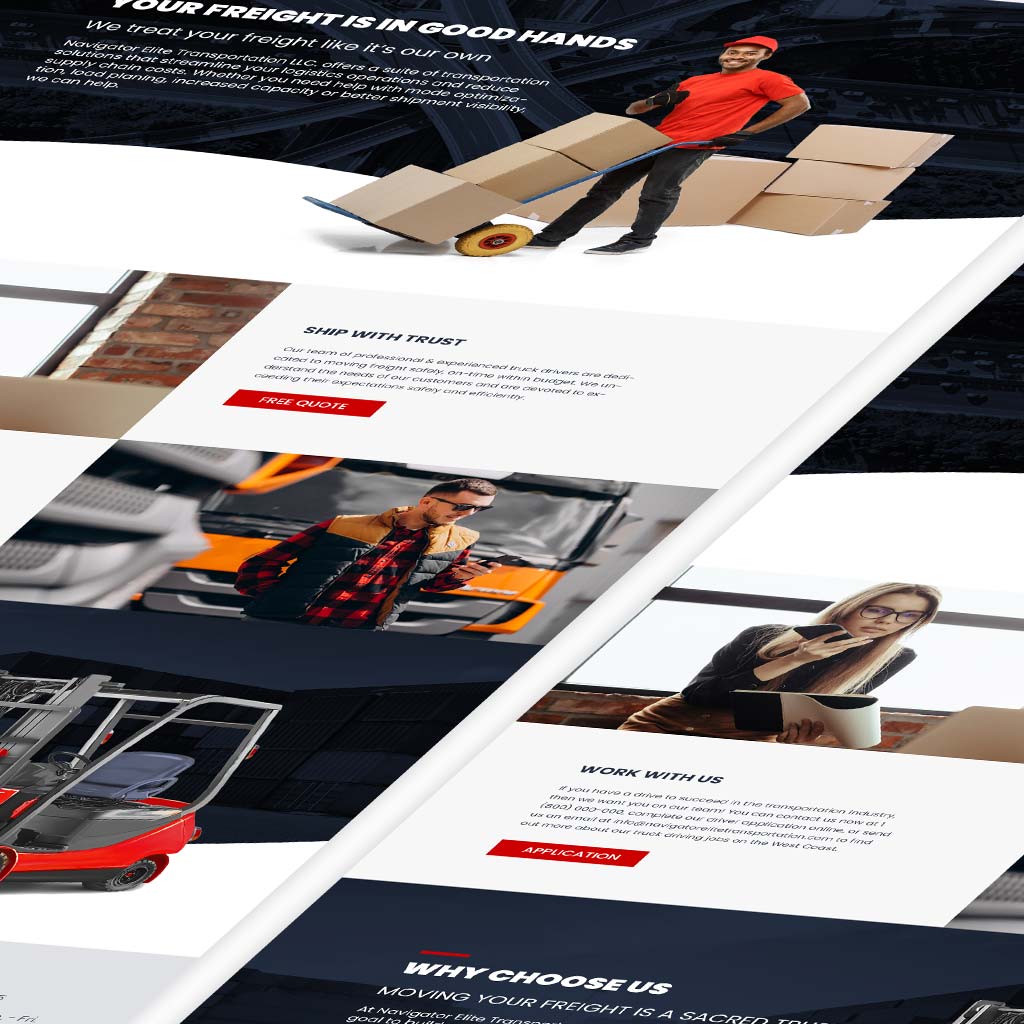
The revised information architecture improved service readability, clarified service boundaries, and created a more intuitive navigation and conversion path.
As a result, the website communicates the company’s capabilities more clearly and positions Navigator Elite Transportation as a reliable logistics partner rather than a generic service provider.
Campaigns don’t fail because of weak visuals.
They fail when short-term messaging conflicts with long-term brand logic.
This section focuses on directing campaign narratives and brand stories
so every execution — whether a pitch deck, launch campaign, or submission document —
supports the same strategic core defined earlier.
Rather than designing isolated moments,
the work ensures each campaign fits into a larger, coherent story system
that can adapt to different audiences, channels, and timeframes.
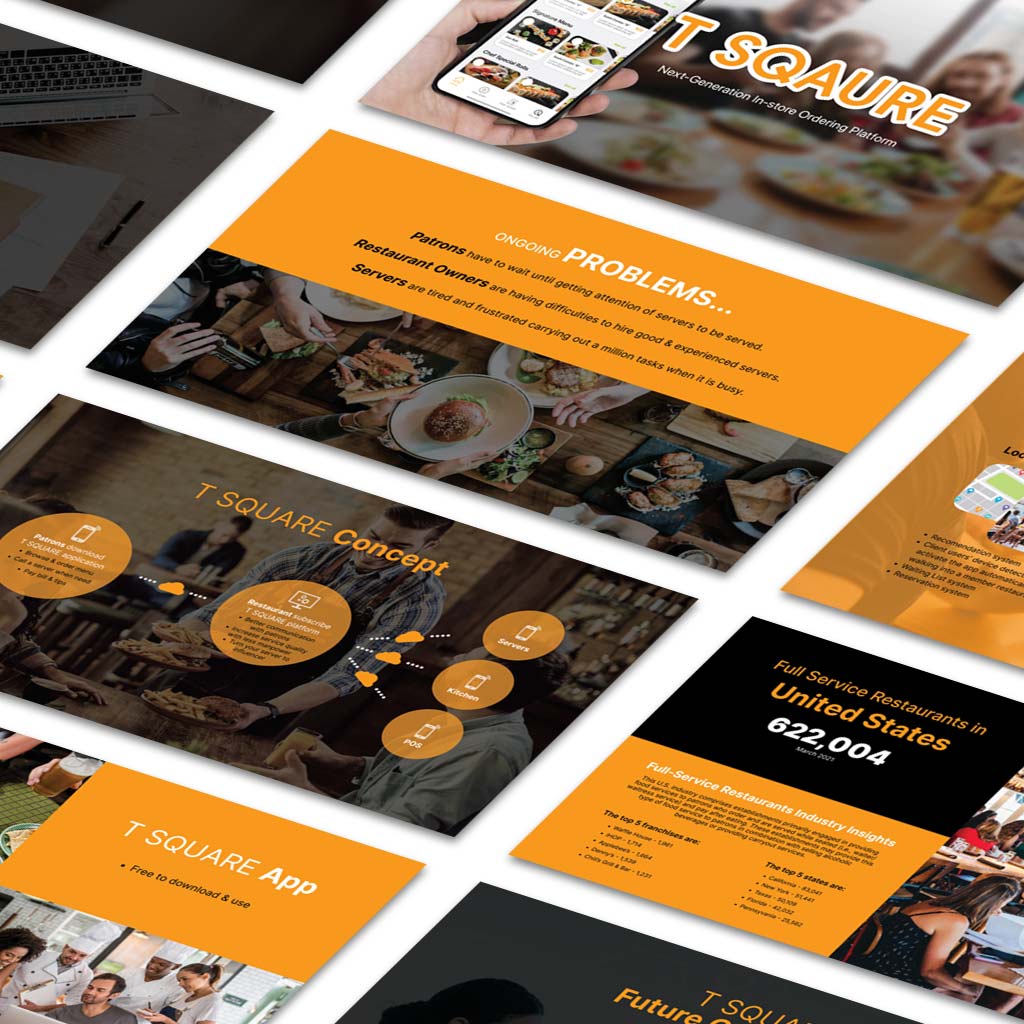
T-Square
High-stakes campaign narrative for angel investment.
Case Summary
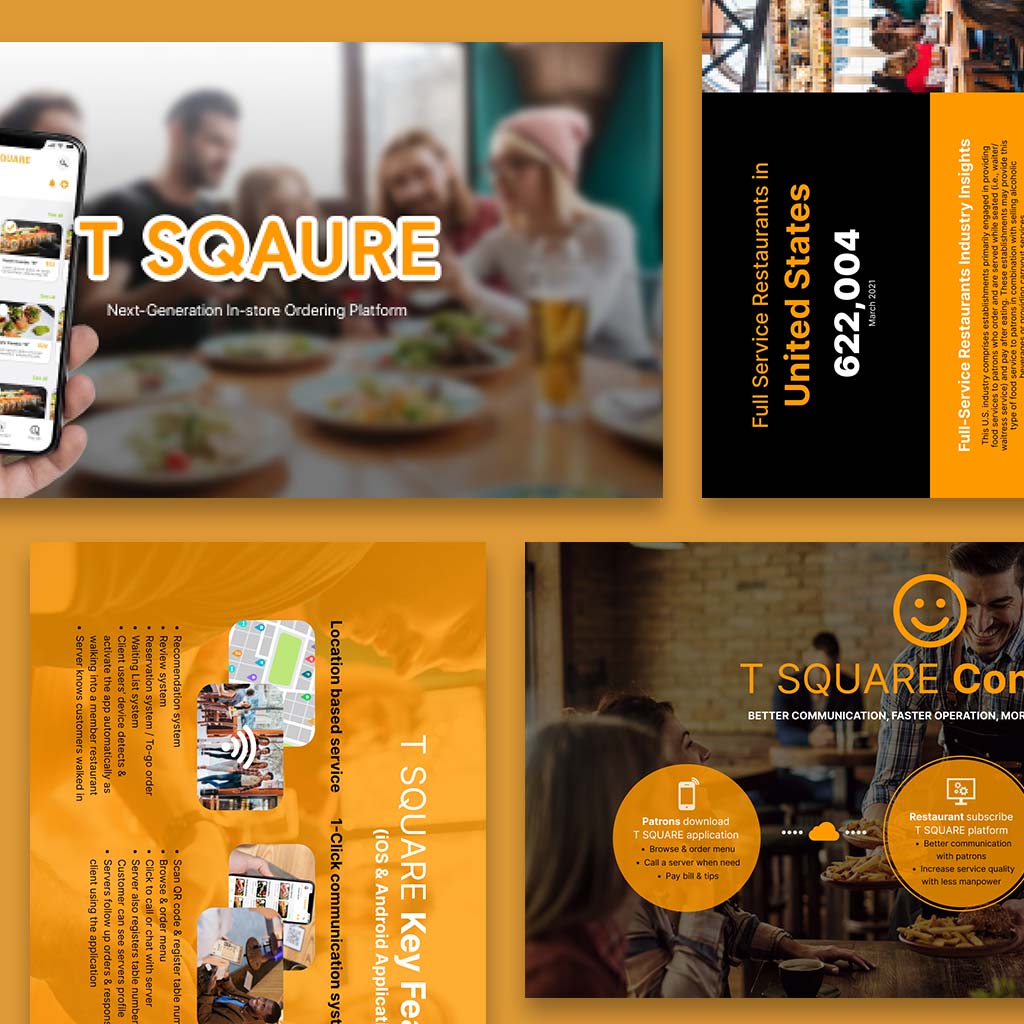
T-Square is a table-side kiosk platform startup preparing for angel investment.
The challenge was not product design, but communicating the opportunity clearly
to investors with different levels of technical and market familiarity.
The work focused on structuring a clear campaign narrative
that explained the problem, solution, market logic, and growth path —
without overwhelming or oversimplifying.
Scope of Work
Narrative Focus
The goal was not persuasion through hype,
but clarity through structure —
helping investors quickly understand why this exists and why it matters now.

Outcome
A focused, repeatable investor narrative system that supported early funding conversations, strategic alignment, and a successful initial raise.
The narrative structure clarified the value proposition and opportunity, enabling more effective investor discussions and providing a foundation that extended beyond fundraising into ongoing strategic alignment.
BUILD THE BLUEPRINT BEFORE THE EXECUTION.